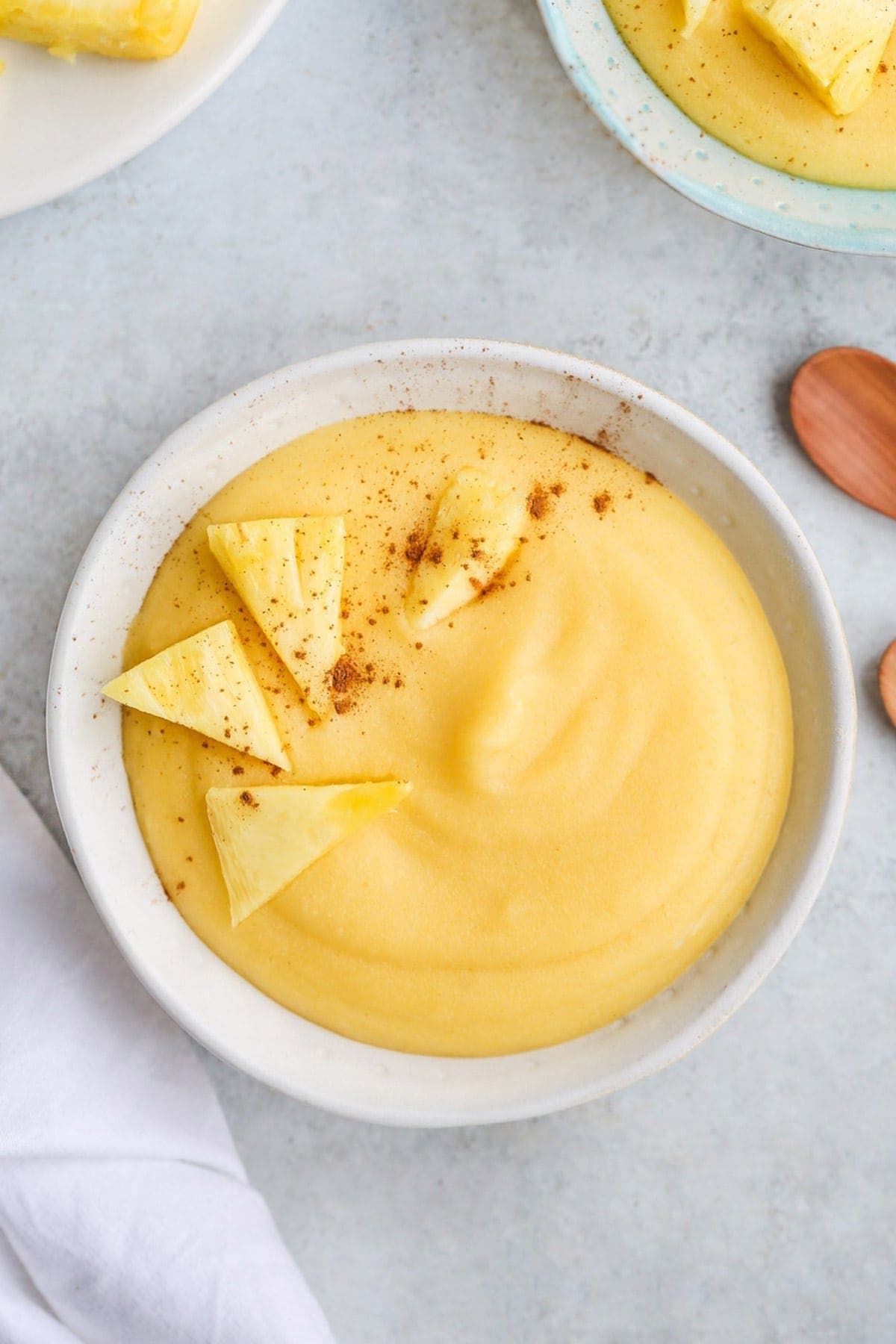
A Global Comfort: Unpacking the Enduring Appeal of Cornmeal Porridge
Few dishes transcend cultural boundaries and historical epochs quite like cornmeal porridge. From the sun-drenched fields where maize is harvested to kitchen tables across continents, this humble yet incredibly versatile staple has nourished and comforted generations. Whether known as polenta in Italy, grits in the American South, mămăligă in Romania, or pap in South Africa, its essence remains the same: a warm, satisfying dish made from ground corn that adapts effortlessly to a myriad of flavors and occasions. In this article, we delve deeper into the global tapestry of cornmeal porridge, explore its profound nutritional benefits, uncover its culinary versatility, and offer practical tips to perfect your own bowl of this timeless comfort food.
A World of Comfort: Global Takes on Cornmeal Porridge
The beauty of cornmeal porridge lies in its chameleon-like ability to transform while retaining its inherent warmth and earthiness. Its story is deeply intertwined with the history of maize, a grain domesticated thousands of years ago in Mesoamerica that eventually spread worldwide, becoming a cornerstone of diets in diverse regions. As corn traveled, so did the tradition of grinding it into meal and cooking it into a creamy, thick porridge.
- Polenta (Italy): Perhaps one of the most famous variants, Italian polenta ranges from creamy and soft, served with rich ragùs or mushrooms, to firm and grilled, often accompanying roasted meats or cheeses. Made from coarse or medium-ground yellow cornmeal, it's a testament to simple ingredients yielding profound flavor.
- Grits (Southern USA): A quintessential Southern American dish, grits are typically made from white corn and can be fine, medium, or coarse ground. Often served for breakfast with butter, salt, and pepper, or as a savory side with shrimp and gravy, they are a beloved regional specialty. For a deeper dive into the origins and basic preparation, you might find cornmeal porridge - Article 1 particularly enlightening.
- Mămăligă (Romania): A staple in Romanian cuisine, mămăligă is a thick, golden cornmeal porridge often served with cheese, sour cream, fried eggs, or alongside stews and Sarmale (cabbage rolls). It symbolizes rustic, hearty fare and communal dining.
- Pap (South Africa): In South Africa, pap is a fundamental food, often served alongside stews, meats, or as a breakfast meal. It varies in consistency from a crumbly "krummelpap" to a stiff "stywepap" or a smoother "slappap," reflecting diverse culinary traditions.
- Angu (Brazil): Similar to polenta, Angu is a Brazilian cornmeal porridge, commonly served as a side dish with meat, fish, or vegetable stews, especially in the state of Minas Gerais.
Each regional variation boasts unique preparation methods, preferred cornmeal textures, and traditional accompaniments, yet all share the comforting, nourishing essence of this ancient grain dish.
Unlocking Nutritional Power: The Health Benefits of Cornmeal Porridge
Beyond its comforting taste and cultural significance, cornmeal porridge offers a surprising array of nutritional benefits, making it a wholesome addition to any diet.
- Rich in Complex Carbohydrates: As a grain-based dish, cornmeal provides complex carbohydrates, which are vital for sustained energy release. Unlike simple sugars, these carbohydrates break down slowly, preventing blood sugar spikes and providing a steady fuel source throughout your day.
- Good Source of Dietary Fiber: Especially when using stone-ground or whole-grain cornmeal, cornmeal porridge is a good source of dietary fiber. Fiber is crucial for digestive health, aiding in regularity, promoting satiety, and potentially contributing to better cholesterol management.
- Gluten-Free Option: For individuals with gluten sensitivity or celiac disease, cornmeal is naturally gluten-free, making it an excellent alternative to wheat-based grains. This allows a broader range of people to enjoy its comforting qualities without dietary concerns.
- Vitamins and Minerals: Cornmeal contains essential vitamins and minerals, including B vitamins (such as thiamine and niacin), which are important for energy metabolism and nerve function. It also provides minerals like magnesium, phosphorus, and iron, all playing critical roles in overall bodily health.
- Antioxidant Properties: Yellow cornmeal, in particular, contains carotenoids like lutein and zeaxanthin, which are powerful antioxidants known for supporting eye health and potentially reducing the risk of certain chronic diseases.
Choosing the right type of cornmeal can also influence its nutritional profile. Stone-ground cornmeal, which retains more of the corn kernel's bran and germ, tends to be more nutrient-dense than degermed cornmeal, offering more fiber and nutrients. This makes your bowl of cornmeal porridge not just delicious but also a powerhouse of essential goodness.
From Savory Suppers to Sweet Treats: Versatile Uses for Cornmeal Porridge
The adaptability of cornmeal porridge extends far beyond its breakfast origins. Its neutral yet subtly sweet flavor profile makes it an ideal canvas for both savory and sweet culinary creations, cementing its place as a truly versatile ingredient in any kitchen.
Sweet Explorations:
- Classic Breakfast Bowl: Start your day with a warm bowl of creamy cornmeal porridge, sweetened with a drizzle of honey, maple syrup, or brown sugar. Enhance it with fresh berries, sliced bananas, toasted nuts, a sprinkle of cinnamon, or a dollop of yogurt for added texture and flavor.
- Dessert Bases: Thicker, firmer cornmeal porridge can be chilled, sliced, and then fried or baked to create a unique base for fruit compotes, custards, or even ice cream. Its subtle sweetness complements a wide range of dessert toppings.
- Baked Goods: Incorporate cooked cornmeal porridge into muffins, breads, or cakes for added moisture and a delightful texture. Its earthy notes can provide a wonderful counterpoint to sweeter ingredients.
Savory Delights:
- Hearty Side Dish: As seen with polenta and grits, cornmeal porridge shines as a robust side dish. Serve it soft and creamy alongside slow-cooked meats, rich stews, roasted vegetables, or pan-seared mushrooms. Its ability to soak up sauces makes it a perfect accompaniment.
- Cheese and Herb Infusions: Elevate your savory porridge by stirring in grated Parmesan, cheddar, or Gruyère cheese while it’s hot. Fresh herbs like chives, parsley, or thyme can add a burst of freshness. A pat of butter stirred in at the end enhances richness.
- Fried or Baked Options: Leftover firm cornmeal porridge can be chilled, sliced into squares or rounds, and then pan-fried until crispy or baked to a golden perfection. These crispy pieces are fantastic served with eggs, bacon, or as a base for appetizers with various toppings.
- As a Base for Casseroles: Thicker cornmeal porridge can form the base layer for savory casseroles, providing a substantial foundation for layers of vegetables, meats, and cheeses.
For more specific recipes and innovative ways to use this incredible ingredient, don't forget to check out cornmeal porridge - Article 2, which offers a treasure trove of culinary inspiration.
Perfecting Your Pot: Tips for the Best Cornmeal Porridge
While seemingly simple, preparing truly exceptional cornmeal porridge involves a few key techniques that can elevate it from good to absolutely glorious. Here are some actionable tips to ensure your porridge is consistently perfect:
- Choose Your Cornmeal Wisely: The type of cornmeal significantly impacts the final texture. Fine-ground cornmeal yields a very smooth, creamy porridge, while medium or coarse-ground (like for traditional polenta) offers a more substantial, rustic texture. Stone-ground cornmeal often retains more flavor and nutrients.
- Master the Liquid-to-Cornmeal Ratio: This is crucial. A general starting point is 4-5 parts liquid (water, milk, or broth) to 1 part cornmeal for a creamy consistency. For a firmer porridge that can be sliced, reduce the liquid to 3-3.5 parts. Adjust based on your preferred thickness and the grind of your cornmeal.
- Add Cornmeal Slowly to Cold Liquid: To prevent lumps, whisk the cornmeal into cold or lukewarm liquid before heating. This allows the grains to hydrate evenly. Alternatively, create a slurry with a small amount of cold liquid and then whisk it into simmering liquid very gradually.
- Stir, Stir, Stir (Especially at First): Once the mixture comes to a simmer, frequent stirring is essential, especially during the first 5-10 minutes, to prevent sticking to the bottom of the pot and to ensure a smooth, lump-free texture. As it thickens, stirring can be less frequent but still necessary.
- Patience is a Virtue: Cornmeal porridge needs time to cook properly. Depending on the grind, it can take anywhere from 20 minutes for fine cornmeal to an hour or more for coarse, stone-ground varieties. Slow cooking allows the starches to fully hydrate and soften, resulting in a creamy texture and deeper flavor.
- Season Liberally: Don't forget salt! A good pinch of salt is vital to bring out the natural sweetness and flavor of the corn. For savory versions, consider adding a bay leaf to the cooking liquid, garlic powder, or a dash of black pepper. For sweet versions, a pinch of salt balances the sweetness beautifully.
- Finishing Touches: Just before serving, stir in a knob of butter for richness, or a splash of milk or cream for extra creaminess. For savory porridge, grated cheese (Parmesan, cheddar, or goat cheese) stirred in at the end is transformative.
- Dealing with Leftovers: Leftover firm porridge can be spread into a baking dish, chilled until firm, then cut into shapes and fried, baked, or grilled.
Conclusion: The Timeless Allure of Cornmeal Porridge
From its humble beginnings to its widespread global adoption, cornmeal porridge stands as a testament to the power of simple ingredients to create deeply satisfying and culturally significant dishes. Whether you grew up with the creamy indulgence of grits, the robust heartiness of polenta, or discovered it through culinary exploration, its versatility, nutritional benefits, and comforting warmth are undeniable. Embrace the joy of experimenting with different grinds, liquids, and flavor profiles – from a simple, sweet breakfast to a complex, savory supper. Cornmeal porridge is more than just a meal; it's an invitation to connect with tradition, explore new flavors, and savor the timeless pleasure of honest, wholesome food.
